
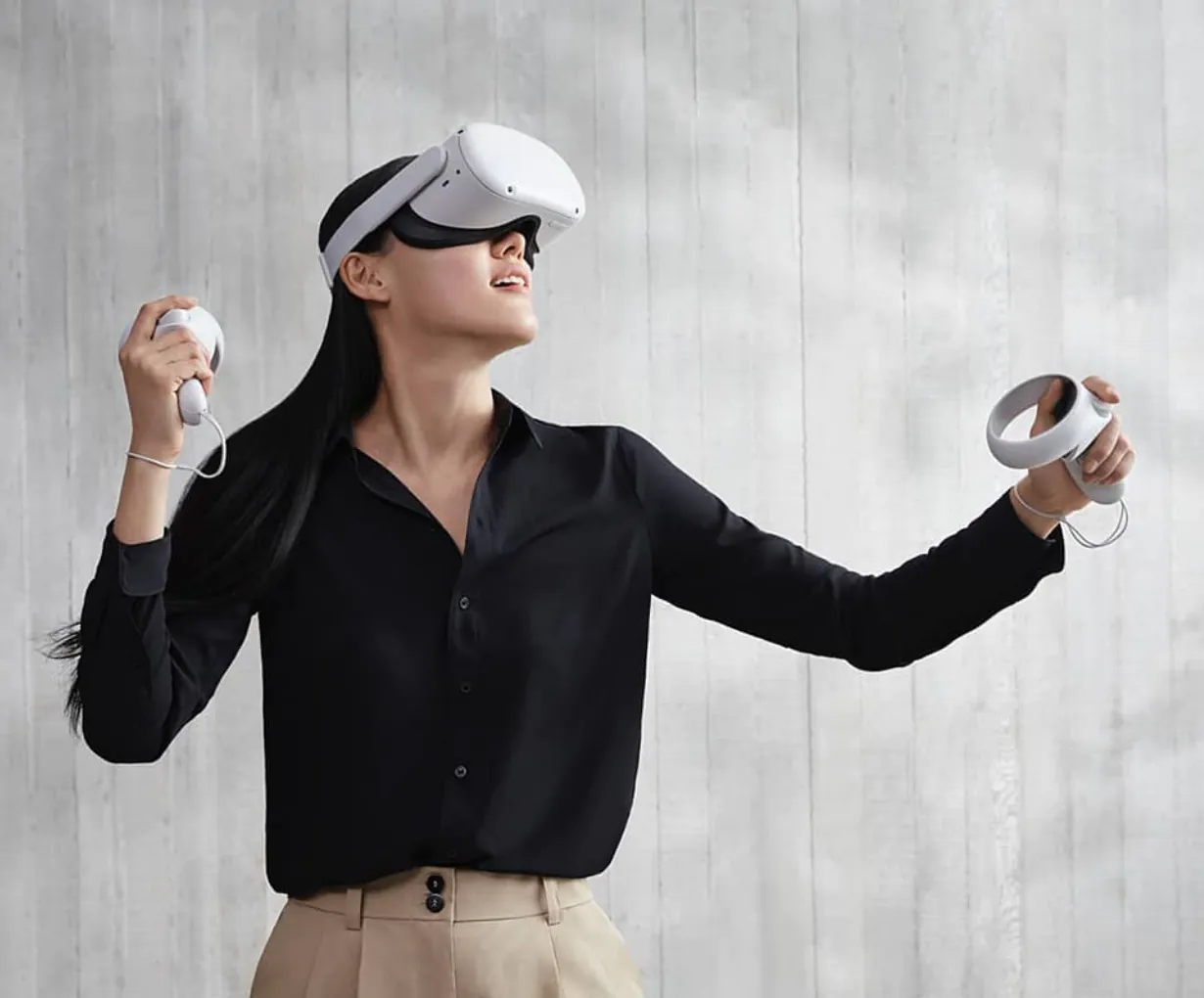

The boundary between physical and digital spaces is dissolving. Augmented reality (AR) and virtual reality (VR) are no longer experimental curiosities — they are reshaping how we learn, collaborate, and create. These technologies are not about escape from reality; they are about layering it with context, depth, and possibility.
AR already slips into everyday life through navigation overlays, filters, and heads-up displays. But its real potential lies in context-rich environments where information appears only when and where it’s needed. Surgeons can visualize anatomy during operations, engineers can see schematics superimposed on machines, and architects can walk clients through designs before a single brick is laid. AR is turning knowledge into a spatial experience.
VR, meanwhile, offers immersion at full scale. Training simulations for pilots, firefighters, and surgeons are already reducing risks and costs, while providing lifelike practice. Creative industries are using VR to storyboard films, sculpt 3D art, and design virtual stages. What used to require expensive sets or equipment can now be conjured instantly — imagination rendered tangible.
The convergence of AR and VR — often called “mixed reality” — is where things get most exciting. Devices are moving toward lightweight headsets, and eventually glasses, that shift seamlessly between digital overlay and full immersion. One moment, you’re enhancing your workspace with digital tools floating above your desk; the next, you’re transported into a fully virtual environment for collaboration across continents.
This shift has profound implications for communication. Meetings will move beyond flat video grids into shared digital spaces where gestures, eye contact, and presence are restored. Social interactions will feel more natural, more embodied. It’s not just about seeing avatars — it’s about feeling presence across distance.
Yet with this power comes responsibility. Who owns the data about what you see, touch, or even emote? How do we design AR/VR spaces that are inclusive, safe, and free from exploitation? These questions will shape whether immersive tech becomes a tool of empowerment or a vehicle for intrusion.
In the coming years, AR/VR won’t be defined by headsets alone but by ecosystems: the apps, services, and communities that make them meaningful. Education, healthcare, design, entertainment — all will be reimagined once the digital and physical truly overlap.
The future won’t be about choosing between the real world and the virtual one. It will be about learning to live gracefully in both at once. And in that balance, we may discover entirely new ways to see, build, and connect.
Hi, this is a comment.
To get started with moderating, editing, and deleting comments, please visit the Comments screen in the dashboard.
Commenter avatars come from Gravatar.