

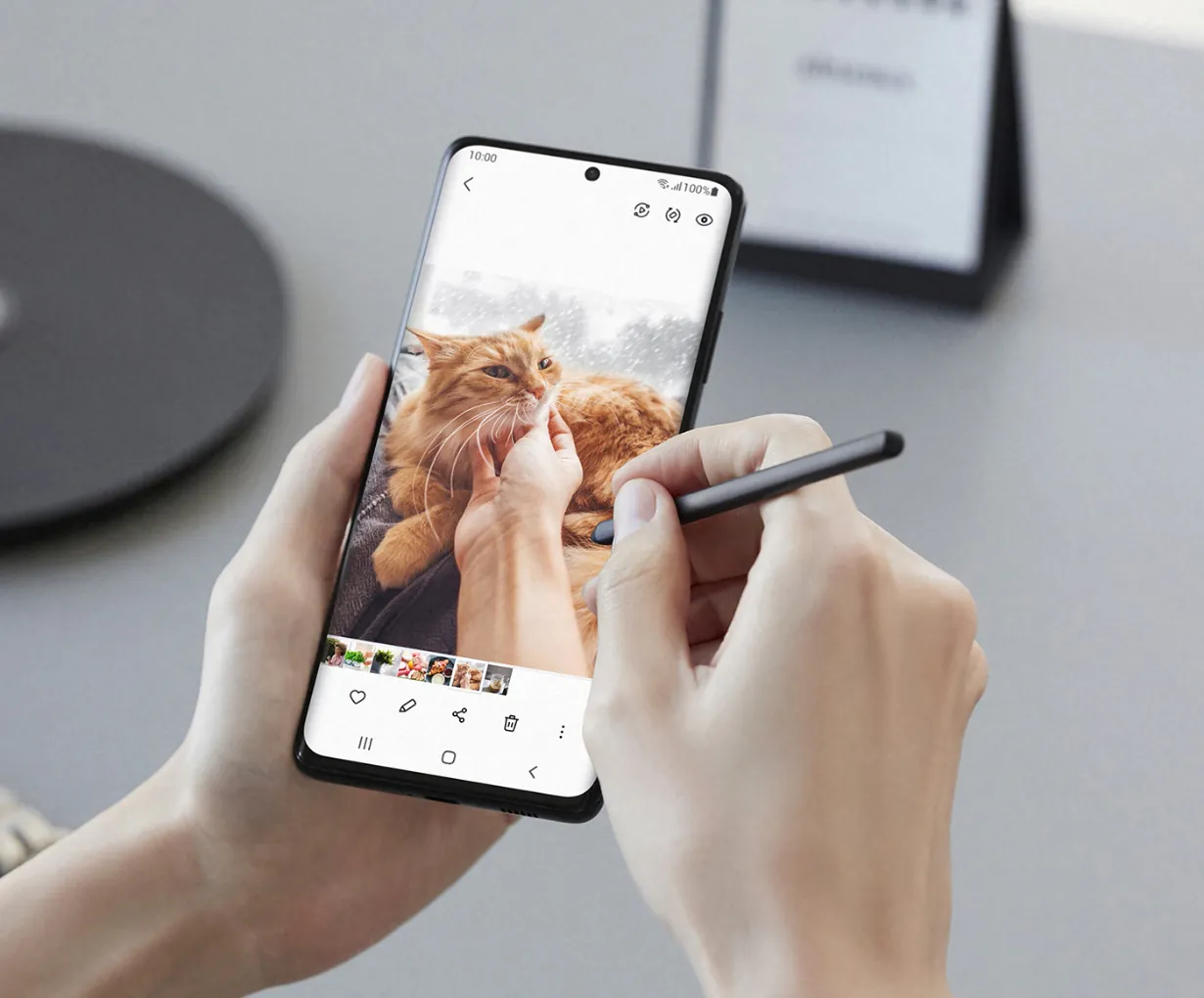

For years, smartphones have been described as distractions — devices that pull us out of the world instead of deeper into it. Yet a quiet shift is underway. Phones are no longer just tools for consumption; they’re becoming canvases for creativity, studios in our pockets, and gateways to experiences we once needed entire labs to access.
The rise of computational photography is a clear example. What once required professional cameras and editing rigs can now be achieved instantly — phones not only capture moments but interpret them, blending exposures, correcting lighting, and even generating entirely new visual layers. Creativity no longer waits for equipment; it happens at the speed of thought.
Audio and video production have followed. Music once bound to studios can now be composed, mixed, and published from a café table. Films are being shot, edited, and distributed with nothing more than a handset. The phone has transformed into a universal instrument — and as AI integrates more deeply, it will evolve into a collaborator that suggests, edits, and refines in real time.
But creativity is not only about media. Phones are unlocking design, engineering, and storytelling for entirely new audiences. Augmented reality turns public spaces into stages for artists. CAD and 3D modeling apps allow creators to sculpt prototypes with gestures. Even coding environments are becoming mobile-friendly, shifting software development from static desktops to anywhere inspiration strikes.
This evolution has cultural consequences. Creativity used to be gated by access: to studios, to equipment, to training. Now, tools adapt to the user instead of the other way around. A student in a remote village can design, publish, and share alongside professionals in global hubs. The democratization of tools is blurring the line between amateur and expert, hobbyist and innovator.
Still, challenges remain. Attention spans are fragmented, and the same devices that empower creation also tempt distraction. The next frontier is not only about capability, but about focus — designing phones that encourage deep work, that prioritize craft over noise. This might mean modes tailored for makers, or interfaces that shift when we want to create instead of consume.
Looking ahead, phones may disappear as physical objects, absorbed into wearables, glasses, or even neural interfaces. But their legacy will be clear: they turned billions of people into creators, giving every hand a studio, every voice an audience, every idea a stage.
The future of creativity doesn’t start in a workshop — it starts in a palm. And from there, it can move anywhere.